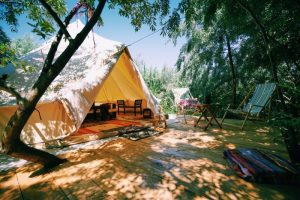
Embark on a journey to the best educational vacation destinations where learning meets adventure. From Arctic expeditions to cultural music festivals, discover a world of knowledge and exploration waiting for you.
Uncover the hidden gems of educational travel and broaden your horizons with unique experiences that go beyond the traditional vacation.
Arctic and Polar Expeditions
Arctic and Polar expeditions offer unique educational opportunities for those interested in exploring the remote regions of the world. These expeditions provide a hands-on experience to learn about the diverse ecosystem and wildlife that thrive in these extreme environments.
Importance of Learning About the Ecosystem and Wildlife
Exploring the Arctic and Polar regions allows participants to witness firsthand the delicate balance of nature and the impact of climate change on the environment. By studying the unique species that call these regions home, visitors gain a deeper understanding of the importance of conservation and preserving these fragile ecosystems for future generations.
Contribution to Climate Change Education and Awareness
Arctic and Polar expeditions play a crucial role in educating the public about the effects of climate change on these remote regions. Participants learn about the shrinking ice caps, melting glaciers, and changing landscapes, providing valuable insights into the urgent need for global action to address climate change. These expeditions raise awareness about the environmental challenges facing the Arctic and Polar regions, inspiring individuals to take proactive steps to protect our planet.
Music Festival Tour
Music festivals around the world offer a unique opportunity for educational exploration beyond the traditional classroom setting. These events not only provide entertainment but also serve as cultural hubs where attendees can immerse themselves in diverse music genres and learn about the historical significance of these festivals in various cultures.
Educational Aspects of Music Festivals
- Music festivals showcase a wide range of musical styles, allowing attendees to expand their knowledge and appreciation for different genres.
- Through live performances and interactive workshops, festival-goers can learn about the history and evolution of music within specific cultural contexts.
- Attending music festivals can also provide insights into the social and political influences that have shaped the music industry over time.
Cultural Insights and Exposure
- Music festivals bring together people from diverse backgrounds, providing a platform for cultural exchange and mutual understanding.
- By experiencing music from around the world, attendees can gain a deeper appreciation for the rich tapestry of global musical traditions.
- Exploring different aspects of culture, such as food, art, and fashion, at music festivals can broaden one’s perspective and foster cross-cultural connections.
Historical Significance of Music Festivals
- Music festivals have played a crucial role in preserving and promoting traditional music and dance forms that are integral to various cultural identities.
- Historically, festivals have served as platforms for artists to showcase their talents, connect with audiences, and contribute to the cultural heritage of their communities.
- Through the celebration of music and arts, festivals have helped to revitalize cultural practices that might otherwise have faded into obscurity.
Rainforest Exploration
Rainforest exploration offers a unique educational experience that goes beyond traditional classroom learning. It provides an opportunity to delve into the rich biodiversity of these ecosystems, fostering awareness of conservation efforts to protect them for future generations.
Biodiversity and Conservation Awareness
Exploring rainforests allows visitors to witness firsthand the vast array of plant and animal species that call these environments home. By learning about the interconnectedness of these species and the delicate balance that sustains the ecosystem, individuals gain a deeper appreciation for the importance of conservation efforts to preserve these habitats.
- Visitors can observe unique species such as the elusive jaguar or the vibrant poison dart frog, gaining an understanding of the role each organism plays in maintaining the ecosystem.
- Participating in guided tours led by knowledgeable naturalists can provide insights into the threats facing rainforests, such as deforestation and climate change, and the actions being taken to address these challenges.
- Engaging in hands-on activities like tree planting or wildlife monitoring programs can empower individuals to take action in their own communities to support conservation initiatives.
Indigenous Cultures and Traditional Knowledge
Rainforest exploration offers a window into the lives of indigenous communities that have coexisted with these ecosystems for generations. By interacting with local tribes and learning about their customs, traditions, and sustainable practices, visitors can gain a deeper understanding of the importance of preserving indigenous cultures and traditional knowledge.
- Through cultural exchanges and storytelling sessions, visitors can learn about the deep connection indigenous communities have with the land and the valuable insights they have gained from living in harmony with nature.
- Participating in workshops on traditional crafts, medicinal plants, or hunting methods can highlight the resourcefulness and ingenuity of indigenous peoples, shedding light on the importance of preserving their cultural heritage.
- Supporting community-based ecotourism initiatives can contribute to the economic empowerment of indigenous groups, helping to protect their land rights and preserve their way of life for future generations.
Sustainable Ecotourism Practices
Promoting sustainable ecotourism practices in rainforest destinations is essential to ensure the long-term viability of these ecosystems and the well-being of local communities. By choosing responsible tour operators and accommodations that prioritize environmental conservation and social responsibility, visitors can minimize their impact on the environment and support conservation efforts.
- Opting for eco-friendly transportation options such as electric vehicles or shared shuttles can reduce carbon emissions and minimize the ecological footprint of travel to and within rainforest destinations.
- Supporting local conservation projects or community-based initiatives through donations or volunteer opportunities can directly contribute to the protection of rainforest ecosystems and the well-being of indigenous communities.
- Participating in educational programs or workshops on sustainable living practices can empower visitors to make environmentally conscious choices in their daily lives and advocate for policies that promote conservation and sustainability.
Spiritual Pilgrimage

Embarking on a spiritual pilgrimage holds educational and spiritual significance as it allows individuals to deepen their connection to history, culture, and faith traditions. These journeys often involve visiting sacred sites, participating in rituals, and seeking spiritual growth through reflection and prayer.
Connection to History and Culture
Spiritual pilgrimages offer a unique opportunity to immerse oneself in the historical and cultural roots of a specific faith tradition. By visiting sites of religious significance, pilgrims can gain a deeper understanding of the beliefs, practices, and narratives that have shaped a particular community over time.
Impact on Personal Growth
Engaging in a spiritual pilgrimage can have a profound impact on personal growth and self-reflection. Through the challenges and experiences encountered along the journey, individuals have the opportunity to confront their beliefs, values, and priorities, leading to inner transformation and a renewed sense of purpose.
Geotourism Adventure
Geotourism focuses on promoting sustainable tourism that highlights and preserves the natural and cultural heritage of a destination. It aims to educate travelers about the geological formations, ecosystems, and cultural significance of a place while also supporting the local communities and conservation efforts.
Geotourism Destinations
- Grand Canyon National Park, USA: Visitors can learn about the geological history of the canyon, the diverse ecosystems it supports, and the Native American tribes that have lived in the area for centuries.
- Galápagos Islands, Ecuador: This UNESCO World Heritage Site offers educational experiences on volcanic formations, unique wildlife species, and the ongoing conservation efforts to protect the islands’ fragile ecosystem.
- Ring of Fire, Pacific Ocean: Travelers can explore the geologically active region known for its volcanic activity, earthquakes, and diverse cultures that have adapted to living in this challenging environment.
Birdwatching Vacation
Birdwatching vacations offer a unique and educational experience for travelers interested in learning about avian species and their habitats. Whether you are a beginner or an experienced birdwatcher, these trips provide valuable insights into the diverse world of birds and the ecosystems they inhabit.
Educational Value of Birdwatching
- Through birdwatching, travelers can learn to identify different bird species, understand their behaviors, and recognize their role in the environment.
- Participants gain knowledge about the importance of preserving natural habitats and the impact of human activities on bird populations.
- Guided tours often include expert ornithologists who share valuable information about bird biology, conservation efforts, and the significance of biodiversity.
Wildlife Conservation and Environmental Awareness
- Birdwatching promotes wildlife conservation by raising awareness about the importance of protecting birds and their habitats.
- By observing birds in their natural environment, travelers develop a deeper connection to nature and gain a greater appreciation for the delicate balance of ecosystems.
- Engaging in birdwatching encourages participants to become advocates for environmental stewardship and sustainable practices to preserve biodiversity.
Mental Health Benefits and Connection to Nature
- Spending time outdoors and immersing oneself in the beauty of nature during birdwatching excursions can have a calming and therapeutic effect on mental well-being.
- Connecting with the sights and sounds of birdlife in serene natural settings can reduce stress, improve mood, and enhance overall mental health.
- Being in nature and focusing on birdwatching activities allows individuals to unplug from technology, relax, and appreciate the wonders of the natural world.
Remote Island Retreat
Visiting remote islands provides unique educational opportunities for cultural immersion and exploration. These isolated locations offer a chance to learn about traditional lifestyles, customs, and beliefs of the local communities that have been preserved over time.
Unique Ecosystems and Biodiversity
Remote islands are known for their distinct ecosystems and rich biodiversity. These islands often host species of plants and animals that are endemic and not found anywhere else in the world. The isolation of these islands has led to the evolution of unique species adaptations and ecological processes.
Insights into Sustainable Living Practices
Remote island retreats can offer valuable insights into sustainable living practices. Due to their limited resources and fragile environments, inhabitants of these islands have developed innovative ways to conserve energy, manage waste, and live in harmony with nature. Visitors can learn from these practices and apply them to their own lives for a more sustainable future.
Volunteer Vacation
Volunteer vacations offer a unique opportunity for individuals to engage in community service while also gaining valuable educational benefits. These experiences not only contribute to personal development but also foster a sense of global citizenship by promoting cultural exchange and understanding.
Educational Benefits
- Volunteer vacations provide hands-on learning experiences that allow participants to apply their skills and knowledge in real-world settings.
- Engaging in community service activities can help individuals develop empathy, compassion, and a deeper understanding of social issues.
- Through volunteer vacations, participants have the chance to immerse themselves in different cultures, languages, and environments, expanding their worldview.
Impact on Personal Development and Global Citizenship
- Participating in volunteer vacations can lead to personal growth by building self-confidence, resilience, and adaptability.
- By working towards a common goal with people from diverse backgrounds, individuals develop cross-cultural communication skills and a greater appreciation for diversity.
- Volunteer vacations foster a sense of responsibility towards global issues and encourage participants to become active global citizens who are committed to making a positive impact.
Examples of Volunteer Vacation Programs
- Global Volunteer Network: Offers a variety of service projects around the world focusing on education, healthcare, and community development.
- International Volunteer HQ: Provides volunteer opportunities in over 40 destinations, including teaching, conservation, and construction projects.
- GoEco: Specializes in eco-friendly volunteer programs that promote environmental conservation, wildlife protection, and sustainable practices.
Farm Stay Vacation
Farm stay vacations offer a unique opportunity for travelers to immerse themselves in rural life and gain hands-on experience in agricultural activities. It provides a wonderful educational experience for people of all ages, allowing them to learn about sustainable agriculture, farm-to-table practices, and the importance of food production.
Educational Experiences on a Farm
- Participating in daily farm chores such as feeding animals, milking cows, collecting eggs, and tending to crops.
- Learning about the different stages of plant growth, from seed planting to harvesting, and understanding the importance of crop rotation and soil health.
- Exploring the use of organic farming methods and sustainable practices to minimize environmental impact.
- Gaining insights into the process of food production, from farm to table, and appreciating the hard work that goes into growing and harvesting our food.
Promoting Sustainable Agriculture
Farm stay vacations play a crucial role in promoting sustainable agriculture by educating visitors about the importance of preserving natural resources, reducing waste, and supporting local farmers. By experiencing firsthand the efforts that go into maintaining a farm, travelers can develop a deeper appreciation for sustainable farming practices and the impact they have on the environment.
Insights into Rural Life and Food Production
Farm stays offer a unique opportunity to connect with nature, disconnect from the hustle and bustle of city life, and gain a deeper understanding of rural communities and their way of life. By living and working on a farm, visitors can experience the joys and challenges of farm living, forging a stronger connection with the land and the people who work it.
Educational Vacation
Taking an educational vacation is a fantastic way to combine learning with leisure activities. It offers a unique opportunity to explore new destinations while gaining knowledge and insights into various subjects. Whether you are traveling with children or as an adult, educational vacations can be enriching and fulfilling experiences.
Tips for Planning an Educational Vacation
- Research destinations with educational attractions and programs that align with your interests.
- Create a flexible itinerary that allows time for both learning activities and relaxation.
- Consider booking guided tours or workshops to enhance your educational experience.
- Pack appropriate gear and materials for any hands-on learning activities you may participate in.
- Engage with local experts or educators to deepen your understanding of the destination’s history, culture, or natural surroundings.
Destinations Known for Educational Attractions
- Smithsonian Institution, Washington D.C., USA: Explore the world’s largest museum, education, and research complex with exhibits spanning art, history, science, and culture.
- British Museum, London, UK: Delve into the vast collection of artifacts and treasures from around the world, offering insights into ancient civilizations and societies.
- Galapagos Islands, Ecuador: Experience unique wildlife and ecosystems that inspired Charles Darwin’s theory of evolution, with educational tours led by naturalist guides.
- Persepolis, Iran: Discover the ancient capital of the Achaemenid Empire, showcasing impressive ruins and architectural wonders from Persian history.
Benefits of Educational Vacations
- Stimulate intellectual curiosity and a passion for lifelong learning.
- Enhance cultural awareness and understanding of different societies and traditions.
- Create lasting memories through meaningful experiences and interactions with locals.
- Promote personal growth and self-discovery by stepping out of your comfort zone and exploring new perspectives.
- Inspire a sense of wonder and appreciation for the world’s diverse wonders and complexities.
Hiking and Trekking
Hiking and trekking are not only exciting outdoor activities but also provide valuable educational experiences for participants. These adventures allow individuals to explore diverse landscapes, learn about local flora and fauna, and immerse themselves in different cultures and environments.
Educational Aspects of Hiking and Trekking
- Participants can learn about the geological features, ecosystems, and wildlife of the areas they are hiking through.
- Interacting with local guides or indigenous communities can provide insights into traditional knowledge, history, and customs.
- Developing navigation skills, map reading, and survival techniques are essential educational aspects of hiking and trekking.
Physical, Mental, and Educational Benefits
- Hiking and trekking promote physical fitness, endurance, and overall well-being through regular exercise and exposure to nature.
- Engaging in outdoor activities can reduce stress, improve mental clarity, and boost creativity, enhancing the educational experience.
- Learning to adapt to different terrains, weather conditions, and challenges during hikes can build problem-solving skills and resilience.
Safety Tips and Gear Recommendations
- Always inform someone of your hiking plans, including your route, expected return time, and emergency contacts.
- Carry essential gear such as a map, compass, first aid kit, whistle, water, and snacks to ensure preparedness on the trail.
- Dress appropriately for the weather, wear sturdy footwear, and consider using trekking poles for stability and support.
Camping
Camping in national parks, forests, or wilderness areas offers unique educational opportunities for individuals of all ages. It allows for hands-on learning experiences in nature, fostering a deeper connection to the environment.
Educational Opportunities
- Learn about local flora and fauna through guided nature walks and wildlife spotting.
- Participate in ranger-led programs to understand the importance of conservation and preservation efforts.
- Engage in outdoor skills workshops such as fire-building, tent-pitching, and navigation.
Importance of Outdoor Skills and Environmental Stewardship
- Develop essential survival skills like setting up camp, cooking outdoors, and identifying safe drinking water sources.
- Practice Leave No Trace principles to minimize impact on the environment and wildlife habitats.
- Gain a greater appreciation for nature and the need to protect it for future generations.
Camping Best Practices
- Plan ahead by checking weather forecasts, researching camping regulations, and packing appropriate gear.
- Create a camping checklist to ensure you have all necessary supplies, including food, water, first aid kit, and camping equipment.
- Cook delicious meals over a campfire with easy camping recipes using simple ingredients.
Cycling and Mountain Biking
Cycling and mountain biking are not only exciting outdoor activities but also offer numerous educational benefits for physical fitness and exploration. When it comes to physical fitness, cycling and mountain biking provide an excellent workout for the entire body. These activities help improve cardiovascular health, strengthen muscles, and enhance endurance. Engaging in regular cycling adventures can also contribute to weight management and overall well-being.In terms of exploration, cycling allows travelers to immerse themselves in the culture of different destinations.
By biking through local villages, historic sites, and scenic routes, cyclists can gain unique cultural insights and a deeper appreciation for the places they visit. Moreover, the scenic views and natural landscapes encountered during cycling adventures offer a different perspective of the destination, allowing travelers to connect with nature in a meaningful way.
Educational Benefits of Cycling and Mountain Biking
- Enhances physical fitness through a full-body workout.
- Improves cardiovascular health, muscle strength, and endurance.
- Contributes to weight management and overall well-being.
Cultural Insights and Scenic Views
- Immerses travelers in the local culture of different destinations.
- Provides unique cultural insights and appreciation for the places visited.
- Offers scenic views and natural landscapes for a deeper connection with nature.
Tips for Cyclists
- Regularly maintain your bike to ensure safety and optimal performance.
- Respect trail etiquette and yield to other users when necessary.
- Wear appropriate safety gear, including helmets and reflective clothing.
- Stay hydrated and carry necessary supplies, such as water and snacks, during rides.
- Be aware of your surroundings and follow traffic rules to ensure a safe cycling experience.
Fishing and Angling
Fishing and angling are not only popular leisure activities but also offer unique educational opportunities for individuals of all ages. Engaging in fishing in freshwater or saltwater environments provides valuable lessons in aquatic ecosystems, marine life, and conservation efforts.
Educational Aspects of Fishing and Angling
- Learning about different fish species and their habitats
- Understanding the effects of environmental factors on fish behavior
- Exploring the interconnectedness of aquatic ecosystems
- Gaining knowledge about sustainable fishing practices
Ecological Importance of Sustainable Fishing Practices
- Preservation of fish populations for future generations
- Minimizing the impact on marine and freshwater ecosystems
- Promoting catch-and-release methods to ensure fish survival
- Supporting conservation efforts to maintain biodiversity
Fishing Techniques, Gear Recommendations, and Fishing Regulations
- Learning different casting methods such as baitcasting, spinning, and fly fishing
- Understanding the use of appropriate fishing gear for different types of fish
- Familiarizing with local fishing regulations to promote responsible angling
- Exploring ethical considerations in fishing practices
Kayaking and Canoeing
Kayaking and canoeing offer exciting opportunities for educational adventures on rivers, lakes, and oceans. These water-based activities not only provide a fun experience but also have numerous benefits for physical fitness, mindfulness, and nature appreciation.
Educational Opportunities
- Learn about different ecosystems and marine life while paddling through rivers and lakes.
- Understand the importance of water conservation and environmental protection while exploring waterways.
- Develop navigation skills and water safety knowledge through hands-on experience.
Benefits of Water-Based Activities
- Enhance physical fitness through a full-body workout while paddling.
- Promote mindfulness and stress relief by immersing yourself in the calming nature surroundings.
- Deepen your connection with nature and gain a greater appreciation for the environment.
Safety Tips and Gear Essentials
- Always wear a properly fitting life jacket and helmet while kayaking or canoeing.
- Check weather conditions and water currents before embarking on a paddling trip.
- Bring essential gear such as a paddle, whistle, first aid kit, and navigation tools.
- Learn basic paddling techniques and rescue skills to ensure a safe and enjoyable experience on the water.
Rock Climbing and Bouldering
Rock climbing and bouldering are not only thrilling outdoor activities but also offer numerous educational benefits. These activities require physical strength, problem-solving skills, and risk management, making them excellent ways to learn and grow.
Educational Value
- Physical Strength: Rock climbing and bouldering help improve overall physical fitness, including strength, endurance, and flexibility.
- Problem-Solving: Climbers must strategize and find the best way to ascend a rock face or boulder, enhancing critical thinking and decision-making skills.
- Risk Management: Learning to assess risks, plan routes, and execute climbs safely teaches valuable lessons in risk management and responsibility.
Mental Challenges and Rewards
- Conquering rock formations and boulders can be mentally challenging, requiring focus, determination, and overcoming fears.
- The sense of achievement and satisfaction after successfully completing a climb provides a significant mental reward and boosts confidence.
Rock Climbing Destinations, Techniques, and Safety Protocols for Beginners
- Destinations: Some popular rock climbing destinations include Yosemite National Park in the US, Kalymnos in Greece, and Railay Beach in Thailand.
- Techniques: Beginners should start with top-roping, where the rope is anchored at the top of the climb, and learn basic climbing techniques like footwork, handholds, and body positioning.
- Safety Protocols: It is essential for beginners to always climb with a partner, use proper safety equipment such as helmets and harnesses, and follow established climbing guidelines and ethics.
Wildlife Watching and Birding
Wildlife watching and birding are not only enjoyable activities but also provide valuable educational opportunities for species identification and conservation awareness.
Educational Aspects
Engaging in wildlife watching and birding allows individuals to learn about different species, their behaviors, habitats, and the importance of conservation efforts. It provides a hands-on experience that enhances knowledge and appreciation for the natural world.
Ethical Considerations
- Respect wildlife by observing from a safe distance to avoid causing stress or disturbance.
- Avoid feeding wild animals as it can disrupt their natural diet and behavior.
- Do not remove anything from the environment or interfere with the wildlife in any way.
Wildlife Watching Tips
- Bring binoculars to enhance your viewing experience and help with species identification.
- Research the best times of day or year to spot specific wildlife species in different habitats.
- Join guided tours led by knowledgeable experts to maximize your chances of seeing rare or elusive species.
Birding Hotspots
| Location | Key Species |
|---|---|
| Costa Rica | Scarlet Macaw, Resplendent Quetzal |
| Kenya | African Fish Eagle, Lilac-breasted Roller |
| Australia | Kookaburra, Rainbow Lorikeet |
Trail Running
Trail running combines physical exercise with the beauty of nature, offering a unique experience that benefits both body and mind. Running on trails not only provides cardiovascular fitness and endurance training but also allows for a deep immersion in natural surroundings.
Educational Benefits
- Improves cardiovascular fitness: Trail running involves varying terrain and elevation, challenging your heart and lungs in different ways compared to running on pavement.
- Enhances endurance: The uneven surfaces and obstacles on trails require constant adjustments, building strength and stamina over time.
- Nature immersion: Running in natural environments can reduce stress and improve mental clarity, offering a refreshing break from the hustle and bustle of daily life.
Gear and Tips
- Proper footwear: Invest in trail running shoes with good traction and support to prevent injuries on rugged terrain.
- Hydration and nutrition: Carry water and snacks for longer runs, and fuel your body with the right nutrients before and after your workout.
- Trail etiquette: Respect nature and other trail users by staying on designated paths, yielding to hikers, and leaving no trace behind.
Adventure Sports
Adventure sports such as surfing, snowboarding, and skydiving offer unique educational opportunities for participants. These activities not only provide a thrilling experience but also promote personal growth through facing challenges and overcoming fears.
Educational Aspects
Adventure sports offer valuable lessons in risk management, decision-making, and problem-solving. Participants learn to assess their surroundings, make quick judgments, and adapt to changing conditions. These skills are transferable to everyday life and can help individuals build confidence and resilience.
- Surfing: Participants learn about ocean dynamics, wave patterns, and weather conditions. They also develop balance, coordination, and spatial awareness.
- Snowboarding: Riders gain an understanding of snow conditions, terrain features, and body positioning. They also improve their agility, strength, and reflexes.
- Skydiving: Jumpers learn about aerodynamics, freefall techniques, and parachute control. They also enhance their focus, composure, and trust in equipment.
Thrill and Personal Growth
Engaging in adventure sports can evoke a sense of exhilaration, excitement, and adrenaline rush. The combination of physical challenge and mental stimulation leads to a heightened state of awareness and a feeling of accomplishment. Overcoming fears and pushing personal boundaries can foster self-discovery and personal development.
- Thrill: The sense of adventure and excitement associated with these sports can be addictive, leading participants to seek new challenges and experiences.
- Personal Growth: Confronting fears and stepping out of comfort zones can lead to increased self-confidence, courage, and resilience.
Safety Precautions and Popular Destinations
Safety should always be a top priority when engaging in adventure sports. Proper training, equipment inspection, and adherence to guidelines are essential to minimize risks and ensure a positive experience. Popular adventure sports destinations offer a range of options for enthusiasts of all skill levels, with professional instructors and facilities to support safe and enjoyable participation.
- Safety Precautions: Always follow instructions from experienced guides, wear appropriate protective gear, and be aware of emergency procedures in case of accidents.
- Training Resources: Seek certified instructors or training programs to learn proper techniques and safety protocols before attempting any new adventure sport.
- Popular Destinations: Explore renowned locations like Hawaii for surfing, Switzerland for snowboarding, and Dubai for indoor skydiving to experience world-class facilities and stunning landscapes.
Closure
As we wrap up our exploration of the best educational vacation destinations, remember that the world is your classroom and every trip is an opportunity for growth and discovery. Pack your bags, set out on your next adventure, and let the world teach you its wonders.
FAQ Overview
What are the benefits of educational vacations?
Educational vacations offer a unique blend of learning, cultural immersion, and personal growth, making them a transformative travel experience.
How can I plan an educational vacation?
Start by researching destinations with educational attractions, creating an itinerary that balances learning and leisure activities, and packing essentials for a comfortable trip.
Are educational vacations suitable for all ages?
Yes, educational vacations cater to a wide range of ages, from children to adults, providing enriching experiences for everyone.