Delve into the world of outdoor accommodation with a detailed examination of Glamping vs. Traditional Camping, offering insights that cater to both comfort seekers and nature enthusiasts alike.
Explore the unique features of each type of camping experience, shedding light on the amenities, target audience, and environmental implications of both options.
Glamping vs. Traditional Camping
When it comes to experiencing the great outdoors, two popular options emerge: glamping and traditional camping. Let’s delve into the key differences between these two forms of outdoor accommodation.
Concept of Glamping
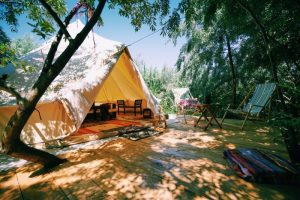
Glamping, short for glamorous camping, combines the luxuries of a hotel stay with the beauty of nature. It offers unique accommodations such as yurts, safari tents, and treehouses, providing a comfortable and stylish way to experience the outdoors.
Amenities Offered
- Glamping: Luxurious bedding, electricity, private bathrooms, air conditioning/heating, and sometimes even hot tubs or gourmet meals.
- Traditional Camping: Basic amenities like tents or RVs, sleeping bags, campfires for cooking, and shared bathroom facilities.
Target Audience
Glamping typically appeals to those seeking a more upscale and comfortable outdoor experience, such as couples celebrating special occasions or families looking for a unique getaway. Traditional camping, on the other hand, attracts outdoor enthusiasts, budget travelers, and those who enjoy a more rustic experience.
Environmental Impact
Glamping tends to have a higher environmental impact compared to traditional camping due to the use of more resources and energy-intensive amenities. Traditional camping promotes a closer connection to nature and often involves more sustainable practices like Leave No Trace principles.
Shopping Vacation
Shopping vacations offer a unique and exciting way to explore different cultures, discover local products, and indulge in retail therapy while traveling.
Popular Destinations for Shopping Vacations
- Paris, France – known for high-end fashion and luxury shopping experiences.
- Tokyo, Japan – offers a mix of traditional crafts and cutting-edge technology.
- Istanbul, Turkey – famous for its vibrant markets and unique handicrafts.
- New York City, USA – a shopper’s paradise with everything from designer boutiques to vintage shops.
Economic Impact of Shopping Tourism on Local Communities
Shopping tourism can have a significant economic impact on local communities by creating jobs, boosting small businesses, and generating revenue through tourism-related activities.
Tips for Planning a Successful Shopping Vacation
- Research your destination to find the best shopping areas and local markets.
- Set a budget to avoid overspending and prioritize purchases.
- Pack light to leave room for souvenirs and new purchases.
- Learn about local customs and bargaining techniques to make the most of your shopping experience.
- Consider joining guided shopping tours or hiring a personal shopper for insider tips and recommendations.
Arctic and Polar Expeditions
Embarking on Arctic and polar expeditions offers a unique opportunity to explore some of the most remote and pristine environments on Earth. These icy landscapes are home to a diverse range of wildlife and present a host of challenges for adventurers.
Wildlife Encounters
When comparing wildlife encounters in the Arctic versus polar regions, both offer incredible opportunities to see species adapted to extreme cold conditions. In the Arctic, travelers may spot polar bears, walruses, and various bird species like puffins and guillemots. On the other hand, the polar regions, including Antarctica, are known for their penguin colonies, seals, and whales such as orcas and humpbacks.
Challenges and Safety Measures
Arctic and polar expeditions come with inherent challenges such as harsh weather conditions, extreme cold, and navigating icy terrain. Safety measures including proper gear, experienced guides, and emergency protocols are crucial to ensure the well-being of participants. It’s essential to be prepared for sudden weather changes and potential wildlife encounters.
Sustainable Tourism Practices
Preserving the fragile ecosystems of the Arctic and polar regions is paramount. Sustainable tourism practices are vital to minimize the impact of human activities on these pristine environments. This includes following designated paths, respecting wildlife habitats, and adhering to waste management guidelines to reduce pollution and protect the delicate balance of these ecosystems.
Music Festival Tour
Music festivals are vibrant events that bring together people from all walks of life to celebrate a shared love for music. From rock and pop to electronic and jazz, there is a diverse range of music festivals happening around the world, each offering a unique experience.
Diversity of Music Festivals
Music festivals come in all shapes and sizes, catering to a wide range of musical tastes. Some festivals focus on specific genres like EDM or indie rock, while others feature a mix of different styles. From small, intimate gatherings to massive events with thousands of attendees, there is a music festival for everyone.
Cultural Significance
- Music festival tours play a significant role in promoting cultural exchange and understanding. They bring together people from different backgrounds and create a sense of community through music.
- Music festivals often showcase local artists and traditions, helping to preserve and promote cultural heritage. They provide a platform for emerging musicians to showcase their talent and connect with a global audience.
- Attending music festivals can be a transformative experience, allowing attendees to immerse themselves in different cultures and traditions through music.
Tips for First-Time Attendees
- Plan ahead and research the lineup and schedule to make the most of your experience.
- Stay hydrated, wear comfortable clothing, and don’t forget ear protection to enjoy the music safely.
- Be open to new experiences and embrace the festival atmosphere to fully immerse yourself in the experience.
Impact on Local Economies
Music festivals can have a significant impact on local economies by attracting tourists, creating jobs, and boosting revenue for local businesses. They also help to promote tourism and put local communities on the map as cultural destinations.
Rainforest Exploration
Rainforests are incredibly diverse ecosystems that are home to a wide variety of plant and animal species. They are vital for maintaining the balance of our planet’s climate and play a crucial role in sustaining life on Earth.
Biodiversity of Rainforests and Their Importance
Rainforests are known for their unparalleled biodiversity, with countless species of plants, animals, insects, and microorganisms coexisting in these lush environments. They are often referred to as the “lungs of the Earth” due to their role in producing oxygen and absorbing carbon dioxide, helping to mitigate climate change.
- Rainforests are home to over half of the world’s plant and animal species, making them hotspots of biodiversity.
- They provide essential ecosystem services such as regulating the water cycle, preventing soil erosion, and maintaining genetic diversity.
- Their destruction through deforestation poses a significant threat to global biodiversity and accelerates climate change.
Challenges of Exploring Rainforests Sustainably
Exploring rainforests sustainably presents several challenges due to the delicate nature of these ecosystems and the potential impact of human activities on their biodiversity.
- Minimizing disturbance to wildlife and habitats while conducting research or tourism activities.
- Preventing deforestation and illegal logging that threatens the integrity of rainforest ecosystems.
- Balancing the needs of indigenous communities with conservation efforts to ensure sustainable development.
Recommended Destinations for Rainforest Exploration
For those interested in exploring the wonders of rainforests, there are several destinations around the world that offer unique opportunities to experience these diverse ecosystems up close.
- The Amazon Rainforest in South America, known for its unparalleled biodiversity and vast expanse of tropical rainforest.
- The Daintree Rainforest in Australia, a UNESCO World Heritage Site home to rare plant and animal species.
- Borneo’s rainforests in Southeast Asia, where visitors can encounter orangutans, pygmy elephants, and other endemic wildlife.
Unique Flora and Fauna Found in Rainforests
Rainforests are teeming with unique plant and animal species that have evolved to thrive in these complex ecosystems. From towering trees to colorful birds, here are some examples of the incredible flora and fauna found in rainforests:
- Flora: The giant Amazon water lily, Rafflesia arnoldii (the world’s largest flower), and the sensitive plant (Mimosa pudica) that closes its leaves when touched.
- Fauna: The jaguar, sloth, poison dart frog, toucan, and the iridescent blue morpho butterfly.
Spiritual Pilgrimage
Spiritual pilgrimages hold significant importance in various cultures around the world. They are journeys undertaken by individuals seeking spiritual growth, enlightenment, or a deeper connection to their faith.
Significance of Spiritual Pilgrimages
- Pilgrimages are seen as a way to cleanse the soul and seek forgiveness for past wrongdoings.
- They provide an opportunity for self-reflection and introspection, leading to personal growth.
- Visiting sacred sites is believed to bring blessings and spiritual healing to the pilgrim.
Comparison of Pilgrimage Sites
- Mecca in Saudi Arabia is the holiest site in Islam, attracting millions of Muslim pilgrims each year.
- Varanasi in India is revered by Hindus for its spiritual significance and the presence of the Ganges River.
- Lourdes in France is known for its healing waters and is a popular pilgrimage site for Catholics.
Personal Benefits of Spiritual Pilgrimages
- Enhanced sense of spirituality and connection to one’s faith.
- Opportunity for self-discovery and inner peace.
- Memorable experiences and a sense of fulfillment from completing the pilgrimage.
Tips for Planning a Spiritual Pilgrimage
- Research the pilgrimage site and its significance in your faith tradition.
- Plan your travel logistics well in advance to ensure a smooth journey.
- Consider joining a group tour or seeking guidance from experienced pilgrims.
- Pack light, but include essentials such as comfortable clothing and appropriate religious items.
- Prepare yourself mentally and emotionally for the spiritual journey ahead.
Geotourism Adventure
Geotourism focuses on preserving natural and cultural heritage while promoting sustainable travel practices. It encourages visitors to explore unique geological features and learn about the history and culture of the places they visit.
Geotourism Destinations
- Grand Canyon National Park in the United States is known for its stunning rock formations and geological history dating back millions of years.
- Geopark de Hondsrug in the Netherlands showcases the glacial landscapes of the region, providing insight into the Earth’s geological processes.
- Volcanoes National Park in Rwanda offers the opportunity to witness volcanic activity up close and learn about the conservation efforts to protect the mountain gorillas that inhabit the area.
Responsible Tourism in Geotourism Adventures
- Respect local customs and traditions while visiting geotourism destinations.
- Minimize environmental impact by following designated trails and disposing of waste properly.
- Support local communities by purchasing goods and services from local businesses.
Traveler Experiences in Geotourism Activities
- Exploring the unique rock formations and landscapes of a geopark in Spain, guided by a local geologist who provided insights into the area’s geological history.
- Hiking through volcanic terrain in Iceland and witnessing the power of geothermal activity while learning about the country’s sustainable energy practices.
- Participating in a cultural exchange program in Peru that included visits to archaeological sites and geological wonders, highlighting the interconnectedness of nature and human history.
Birdwatching Vacation
For nature enthusiasts, birdwatching vacations offer a unique opportunity to connect with the natural world and observe a wide variety of bird species in their natural habitats. The appeal lies in the chance to witness beautiful and rare birds, listen to their songs, and learn about their behaviors and habitats.
Popular Birdwatching Destinations
- Costa Rica: Known for its incredible biodiversity, Costa Rica is a hotspot for birdwatching with over 800 species of birds.
- Galapagos Islands: Home to unique and endemic bird species like the Blue-footed Booby and Galapagos Penguin.
- Kenya: Offers the chance to see a diverse range of bird species in the African savannah, including flamingos and raptors.
- Peru: The Amazon Rainforest in Peru is a paradise for birdwatchers, with species like the Andean Cock-of-the-Rock and Macaw.
Equipment Needed
When embarking on a birdwatching vacation, it’s essential to have the right equipment to enhance your experience. Some key items include:
- Binoculars: To observe birds from a distance without disturbing them.
- Field Guide: A book or app to help identify different bird species.
- Camera: Capture memorable moments and document the birds you encounter.
- Appropriate Clothing: Wear comfortable, weather-appropriate clothing and footwear for long hours in nature.
Conservation Efforts
As birdwatching tourism grows in popularity, there is a greater emphasis on conservation efforts to protect bird habitats and species. Organizations and initiatives are working to promote sustainable tourism practices, raise awareness about the importance of bird conservation, and support local communities that depend on birdwatching tourism for their livelihoods.
Remote Island Retreat
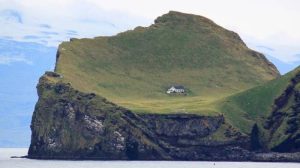
Remote island retreats offer a unique escape from the hustle and bustle of everyday life, providing travelers with a serene and secluded environment to unwind and reconnect with nature. These destinations are perfect for those seeking a peaceful getaway far from the crowds and noise of more popular tourist spots.
Comparison of Amenities
When it comes to remote island retreats, there is a wide range of options available, from luxury resorts with all-inclusive packages to budget-friendly accommodations that offer a more rustic experience. Luxury retreats often feature private villas, gourmet dining options, spa facilities, and personalized services, while budget-friendly options may offer simple bungalows or camping facilities. It’s essential to consider your preferences and budget when choosing the right island retreat for your needs.
Challenges of Sustainable Tourism
One of the main challenges of sustainable tourism on remote islands is balancing the preservation of the natural environment with the increasing demand for tourism. Limited resources, waste management, and the impact of construction on fragile ecosystems are all factors that need to be carefully managed to ensure the long-term sustainability of these destinations. Travelers can support sustainable tourism practices by choosing eco-friendly accommodations, respecting local customs and wildlife, and minimizing their environmental footprint during their stay.
Tips for Unplugging
Unplugging and truly enjoying a remote island retreat involves disconnecting from technology and immersing yourself in the natural beauty of the surroundings. To make the most of your retreat, consider leaving your devices behind, embracing outdoor activities like hiking, snorkeling, or stargazing, and taking the time to relax and unwind without distractions. Disconnecting from the digital world can help you fully appreciate the peace and tranquility that remote island retreats have to offer.
Volunteer Vacation
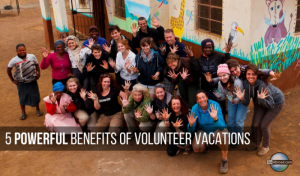
Volunteer vacations, also known as voluntourism, involve travelers participating in various volunteer activities while exploring a new destination. This unique form of travel allows individuals to give back to local communities, contribute to meaningful causes, and immerse themselves in the culture and environment of the place they are visiting.
Types of Volunteer Opportunities
- Environmental Conservation: Participants can engage in activities such as tree planting, wildlife monitoring, beach cleanups, and sustainable farming to support environmental initiatives.
- Community Development: Volunteers can assist with building schools, homes, or community centers, teaching local populations, or providing healthcare services to those in need.
- Animal Welfare: Opportunities include working at animal sanctuaries, wildlife rehabilitation centers, or marine conservation projects to help protect and care for animals in need.
Personal Stories from Volunteer Vacations
“During my volunteer vacation in Costa Rica, I had the opportunity to work with a local organization dedicated to sea turtle conservation. It was a truly rewarding experience to help protect these endangered species and witness the impact of our efforts on the local ecosystem.”
Impact on Local Communities
Volunteer vacations can have a significant positive impact on local communities by providing much-needed support, resources, and expertise to address various social, environmental, and economic challenges. These initiatives not only contribute to the development and well-being of the community but also promote cross-cultural exchange and understanding among volunteers and locals.
Farm Stay Vacation
Farm stay vacations offer travelers a unique opportunity to experience rural life firsthand, providing a serene and immersive escape from the hustle and bustle of city living. Guests can engage in various activities that showcase the beauty of nature and the simplicity of farm living.
Activities and Experiences
- Participate in farm chores such as feeding animals, milking cows, or harvesting crops.
- Enjoy farm-to-table meals made with fresh, organic ingredients sourced directly from the farm.
- Explore the surrounding countryside through nature walks, hiking, or horseback riding.
- Attend workshops on cheese-making, beekeeping, or other traditional farm practices.
- Relax in peaceful surroundings, away from the noise and pollution of urban areas.
Tips for Choosing Accommodation
- Research the farm’s location, amenities, and available activities to ensure it aligns with your preferences.
- Read reviews from previous guests to gauge the quality of the accommodations and the overall experience.
- Consider the type of farm (organic, dairy, vineyard) to match your interests and expectations.
- Check for additional services like guided tours, cooking classes, or farm-related experiences.
- Communicate with the hosts to discuss any special requirements or dietary restrictions beforehand.
Benefits of Connecting with Nature
- Reconnect with the natural world and appreciate the rhythms of farm life.
- Experience a slower pace of living that promotes relaxation and mindfulness.
- Learn about sustainable farming practices and the importance of environmental conservation.
- Gain a deeper appreciation for locally sourced food and the effort that goes into producing it.
- Create lasting memories and forge meaningful connections with the land and the people who work it.
Educational Vacation
Taking an educational vacation is a unique way to combine leisure and learning. It involves traveling to destinations with the specific purpose of gaining knowledge, skills, or experiences related to the local culture, history, environment, or other educational aspects.
Popular Educational Vacation Programs or Destinations
- Study Abroad Programs: Universities and organizations offer educational trips to destinations worldwide, allowing participants to immerse themselves in a new culture while earning academic credit.
- Historical Tours: Visiting historical sites such as ancient ruins, museums, and monuments can provide valuable insights into the past.
- Eco-Tourism Trips: Exploring natural habitats and participating in conservation efforts can raise awareness about environmental issues.
- Culinary Tours: Learning about local cuisine, cooking techniques, and food culture through hands-on experiences and tastings.
Advantages of Combining Travel with Learning Experiences
- Enhanced Cultural Understanding: Immersing oneself in a new environment fosters empathy and appreciation for different cultures.
- Lifelong Learning: Acquiring new knowledge and skills during a vacation can lead to personal growth and self-improvement.
- Multisensory Learning: Hands-on experiences, such as cooking classes or art workshops, engage multiple senses and enhance memory retention.
- Networking Opportunities: Educational vacations often involve interacting with experts and fellow participants, creating valuable connections.
Tips for Maximizing the Educational Value of a Vacation
- Research in Advance: Familiarize yourself with the destination’s history, culture, and attractions to make the most of your educational experience.
- Participate in Workshops or Classes: Take advantage of opportunities to learn new skills or engage in cultural activities during your trip.
- Interact with Locals: Engaging with locals through conversations, guided tours, or homestays can provide unique insights and perspectives.
- Keep a Travel Journal: Documenting your experiences, thoughts, and reflections can help reinforce your learning and create lasting memories.
Hiking and Trekking
Hiking and trekking are popular outdoor activities that offer numerous benefits for physical and mental health. Both activities involve walking in natural environments, but there are some key differences between them. Hiking is generally considered to be less strenuous and shorter in duration, often following marked trails, while trekking involves longer journeys over challenging terrain, sometimes requiring multiple days to complete.
Benefits of Hiking and Trekking
- Improves cardiovascular health and fitness levels
- Strengthens muscles and improves overall physical strength
- Reduces stress and anxiety, promoting mental well-being
- Enhances mood and boosts creativity
Famous Hiking Trails Around the World
- The Appalachian Trail in the United States
- The Inca Trail to Machu Picchu in Peru
- The Camino de Santiago in Spain
- The Milford Track in New Zealand
Responsible Hiking Practices
- Stay on designated trails to minimize impact on vegetation
- Properly dispose of waste and pack out all trash
- Respect wildlife and observe from a distance
- Follow fire regulations and avoid starting fires in restricted areas
Essential Gear and Safety Tips
- Wear appropriate footwear and clothing for the terrain and weather conditions
- Carry enough water and snacks to stay hydrated and energized
- Bring a map, compass, or GPS device for navigation
- Inform someone of your hiking plans and expected return time
Camping
For outdoor enthusiasts, camping offers a unique opportunity to connect with nature, unplug from the hustle and bustle of everyday life, and enjoy the simplicity of living outdoors. Whether you prefer tent camping or RV camping, there are various types of camping experiences to suit different preferences and comfort levels.
Types of Camping Experiences
- Tent Camping: Ideal for those who enjoy a more rugged and traditional camping experience, tent camping involves setting up a tent in a designated campsite and sleeping under the stars.
- RV Camping: Perfect for those who prefer a bit more comfort and convenience, RV camping allows you to bring along amenities such as a bed, kitchen, and bathroom on your outdoor adventure.
Camping Tips for Beginners
- Choose a campsite that suits your comfort level and desired amenities.
- Pack appropriate gear such as a tent, sleeping bag, cooking supplies, and clothing for various weather conditions.
- Familiarize yourself with basic camping skills such as setting up a tent, starting a campfire, and cooking outdoors.
- Respect nature and leave no trace by properly disposing of waste and minimizing your environmental impact.
Minimizing Environmental Impact
When camping, it’s important to be mindful of the environment and take steps to minimize your impact on the natural surroundings. Some ways to do this include:
- Follow Leave No Trace principles by packing out all trash and leaving your campsite better than you found it.
- Use biodegradable and eco-friendly camping products to reduce waste and pollution.
- Opt for reusable camping gear and containers to minimize single-use plastics.
- Respect wildlife and refrain from feeding or approaching animals in their natural habitat.
Cycling and Mountain Biking
Cycling and mountain biking are popular outdoor activities that offer numerous benefits for fitness and exploration. Whether you prefer the smooth roads of cycling or the rugged trails of mountain biking, both activities provide opportunities to stay active, enjoy nature, and challenge yourself physically.
Benefits of Cycling and Mountain Biking
- Cycling and mountain biking are excellent forms of cardiovascular exercise that help improve heart health and overall fitness.
- Both activities allow you to explore new places, experience nature up close, and discover scenic routes that may not be accessible by car.
- Engaging in cycling and mountain biking can boost your mood, reduce stress, and increase your sense of well-being through the release of endorphins.
Terrain and Challenges
- Cycling typically involves riding on paved roads or designated bike paths, offering a smoother and more predictable surface compared to mountain biking.
- Mountain biking, on the other hand, takes place on rugged off-road trails with various obstacles such as rocks, roots, and steep inclines, providing a more challenging and adventurous experience.
Recommended Routes
- The Amalfi Coast in Italy offers breathtaking coastal views and challenging climbs for cyclists looking for a scenic and demanding route.
- Whistler Mountain Bike Park in Canada is a world-renowned destination for mountain bikers with its extensive trail network catering to all skill levels.
Cycling Culture and Community
- In cities like Amsterdam, cycling is a way of life with dedicated bike lanes, bike-friendly infrastructure, and a strong cycling culture that promotes sustainable transportation.
- Mountain biking communities often organize group rides, events, and races to bring together enthusiasts and foster a sense of camaraderie among riders.
Fishing and Angling

Fishing and angling are popular recreational activities that provide a perfect blend of relaxation and excitement for enthusiasts of all ages. Whether you prefer the tranquility of a serene lake or the thrill of reeling in a big catch in the open sea, fishing offers a unique connection to nature and an opportunity to unwind.
Popular Fishing Destinations
- Key West, Florida: Known for its abundance of marlin, sailfish, and other game fish.
- Alaska, USA: Famous for salmon fishing in rivers and halibut fishing in the ocean.
- Costa Rica: Offers excellent opportunities for sport fishing for marlin, sailfish, and tuna.
- Scotland: Known for its trout and salmon fishing in scenic rivers and lochs.
Sustainable Fishing Practices
- Practice catch and release: Release fish back into the water to ensure healthy fish populations.
- Use barbless hooks: Minimize harm to fish and make it easier to release them.
- Respect fishing regulations: Follow size limits, bag limits, and seasonal restrictions to protect fish populations.
- Dispose of fishing line properly: Avoid leaving fishing line in the water, as it can harm marine life.
Cultural Significance of Fishing
Fishing and angling have deep cultural roots in many societies around the world. In coastal communities, fishing has been a way of life for generations, providing sustenance and livelihood. In some cultures, fishing traditions are intertwined with folklore, rituals, and celebrations, reflecting the importance of this activity beyond just a means of catching fish.
Kayaking and Canoeing
Kayaking and canoeing are both popular water activities that offer a unique blend of serenity and adventure. Whether gliding through calm waters or navigating exciting rapids, these activities allow you to connect with nature in a way that is both peaceful and exhilarating.
Serenity and Adventure
Kayaking and canoeing provide the opportunity to explore tranquil lakes, meandering rivers, and even rugged coastlines, all while surrounded by the beauty of the natural world. The gentle rhythm of paddling and the sound of water lapping against the boat create a sense of calm and relaxation, making it a perfect escape from the hustle and bustle of everyday life.
Kayaking vs. Canoeing
While both kayaking and canoeing involve paddling on water, there are some key differences between the two. Kayaks are typically more enclosed and sit-on-top, offering a lower center of gravity and better maneuverability in rough waters. Canoes, on the other hand, are open boats that can accommodate more passengers and gear, making them ideal for longer trips or family outings.
Safety Tips and Equipment Essentials
When engaging in kayaking or canoeing, it is essential to prioritize safety. Always wear a properly fitted life jacket, carry a whistle or signaling device, and be aware of weather conditions and water currents. Additionally, invest in a quality paddle, sunscreen, and a dry bag to protect your belongings from getting wet.
Unique Routes and Destinations
There are countless stunning kayaking and canoeing destinations around the world, each offering its own unique charm. From paddling through the mangroves of the Florida Everglades to exploring the fjords of Norway, the possibilities are endless. Consider embarking on a multi-day kayaking trip along the Sea of Cortez in Mexico or canoeing through the Boundary Waters Canoe Area Wilderness in Minnesota for an unforgettable adventure.
Rock Climbing and Bouldering
Rock climbing and bouldering are exhilarating outdoor activities that provide both physical and mental challenges for enthusiasts. Whether scaling towering cliffs or navigating intricate boulder problems, participants must exhibit strength, agility, problem-solving skills, and mental focus to succeed in these pursuits.
Physical and Mental Challenges
- Rock climbing and bouldering require a combination of physical strength, flexibility, and endurance to tackle difficult routes and problems.
- Participants must also possess mental fortitude, concentration, and problem-solving abilities to navigate challenging terrain and make split-second decisions.
- The fear of falling, known as “the pump” in climbing circles, is a common psychological challenge that climbers must overcome to push their limits and reach new heights.
- Developing trust in your equipment, climbing partners, and yourself is crucial for safely and successfully engaging in these activities.
Famous Locations Worldwide
- Yosemite National Park in California, USA, is renowned for its iconic granite walls like El Capitan and Half Dome, attracting climbers from around the globe.
- Fontainebleau in France is a mecca for bouldering enthusiasts, with its unique sandstone boulders and diverse climbing styles.
- The Peak District in the UK offers a mix of traditional rock climbing and bouldering on gritstone crags, providing challenges for climbers of all levels.
- Joshua Tree National Park in California features a surreal landscape of monzogranite formations, offering diverse climbing opportunities in a stunning desert setting.
Tips for Beginners
- Start with indoor climbing gyms to learn basic techniques, safety protocols, and build strength before venturing outdoors.
- Invest in quality climbing shoes, harness, and helmet to ensure comfort, safety, and performance during climbs.
- Practice proper climbing ethics, including leaving no trace, respecting wildlife, and following established routes to preserve climbing areas for future generations.
- Join local climbing clubs or groups to connect with experienced climbers, learn new skills, and build a supportive community around your climbing journey.
Community and Culture
- The climbing community is known for its camaraderie, sharing beta (route information), and supporting fellow climbers in their projects and goals.
- Climbing culture values environmental conservation, access advocacy, and stewardship of climbing areas to ensure sustainable enjoyment of these natural resources.
- Climbing festivals, competitions, and events provide opportunities for climbers to come together, celebrate the sport, and push their limits in a supportive and encouraging atmosphere.
- Many climbers find a sense of personal growth, achievement, and fulfillment through their climbing pursuits, fostering a deep connection to nature and a sense of belonging within the climbing community.
Wildlife Watching and Birding
Wildlife watching and birding provide a unique opportunity to connect with nature, experience the beauty of the natural world, and contribute to conservation efforts.
Joy and Conservation Benefits
Observing wildlife and birds in their natural habitat not only brings joy and excitement but also raises awareness about the importance of preserving biodiversity. By supporting ecotourism activities focused on wildlife, visitors can help fund conservation projects and protect endangered species.
Best Wildlife Watching and Birding Destinations
- Costa Rica: Known for its diverse range of wildlife including colorful birds like toucans and macaws.
- Galapagos Islands, Ecuador: Home to unique species like the blue-footed booby and giant tortoises.
- Maasai Mara, Kenya: Famous for the annual wildebeest migration and abundant birdlife.
- Yellowstone National Park, USA: Offers opportunities to spot bears, wolves, and a variety of bird species.
Ethical Guidelines for Observing Wildlife and Birds
- Avoid approaching or disturbing animals in their natural habitat.
- Respect wildlife by observing from a safe distance and without interfering with their behavior.
- Do not feed wild animals as it can disrupt their natural diet and behavior.
- Follow designated trails and guidelines provided by experts to minimize impact on the environment.
Memorable Wildlife Encounters or Birdwatching Experiences
One unforgettable experience was witnessing a mother bear and her cubs fishing for salmon in a remote Alaskan stream. The sight of these majestic creatures in their natural habitat left a lasting impression and reinforced the importance of conservation efforts to protect their home.
Trail Running
Trail running offers a unique way to connect with nature while reaping both physical and mental benefits. Running on trails allows for a more challenging terrain compared to pavement, engaging different muscle groups and enhancing overall fitness levels. The serene surroundings of mountains, forests, or coastal trails provide a refreshing escape from the hustle and bustle of daily life.
Benefits of Trail Running
- Improves cardiovascular health and endurance.
- Strengthens muscles, particularly in the legs and core.
- Enhances balance and coordination due to uneven terrain.
- Boosts mental well-being through exposure to natural surroundings.
Terrain Variations in Trail Running
- Mountain trails offer steep ascents and descents, requiring strength and stamina.
- Forest trails provide a shaded and peaceful environment, perfect for relaxation.
- Coastal trails offer stunning views of the ocean, combining running with a refreshing breeze.
Preparing for Trail Running Races
- Gradually increase mileage and elevation in training to build endurance.
- Incorporate strength training exercises to prevent injuries on challenging terrain.
- Practice running on different surfaces to adapt to varying trail conditions.
- Pack essential gear such as hydration packs, trail shoes, and safety supplies for races.
Popularity of Trail Running
- Trail running has gained popularity as a recreational activity due to its physical and mental health benefits.
- Events like trail running races and ultramarathons attract participants seeking a unique challenge in natural settings.
- Social media platforms showcase stunning trail running destinations, inspiring more people to explore outdoor running opportunities.
Adventure Sports
Adventure sports offer a thrilling experience, combining physical challenges with the excitement of exploring new environments. Participants often seek the adrenaline rush that comes from pushing personal limits and embracing the unknown.
Popular Adventure Sports Activities
- Rock Climbing: Scaling vertical cliffs and rock formations using ropes and harnesses.
- White-Water Rafting: Navigating tumultuous river rapids in inflatable rafts.
- Skydiving: Jumping from an aircraft at high altitudes and free-falling before deploying a parachute.
- Mountain Biking: Riding off-road trails and rugged terrain on specialized bicycles.
- Bungee Jumping: Leaping from a tall structure while attached to an elastic cord.
Safety Precautions and Guidelines
- Always wear appropriate safety gear, such as helmets, harnesses, and life jackets.
- Receive proper training from certified instructors before attempting any adventure sport.
- Follow all rules and regulations set by professional organizations and local authorities.
- Be aware of weather conditions and potential hazards that may affect your activity.
Benefits of Pushing Personal Limits
Adventure sports provide individuals with the opportunity to overcome fears, build confidence, and develop problem-solving skills in challenging situations. By pushing personal limits, participants can experience a sense of accomplishment and increased self-awareness. Additionally, engaging in adventure sports can promote physical fitness, mental resilience, and a deeper connection to nature.
Ending Remarks
In conclusion, the contrast between Glamping and Traditional Camping unveils a spectrum of choices for outdoor enthusiasts, each with its own allure and considerations, paving the way for unforgettable adventures in the great outdoors.
User Queries
Is glamping more expensive than traditional camping?
Glamping tends to be more luxurious and therefore can be pricier than traditional camping due to the added amenities and services.
What kind of audience is typically interested in traditional camping?
Traditional camping often appeals to nature lovers, outdoor enthusiasts, and those seeking a more rugged and immersive outdoor experience.
How does glamping impact the environment compared to traditional camping?
Glamping can have a higher environmental impact due to the use of more resources and infrastructure, whereas traditional camping usually has a lower footprint if practiced responsibly.