Embark on a thrilling journey to the best kayaking and canoeing destinations across the globe, offering unique experiences for water sports enthusiasts.
Discover the ideal time to visit these destinations for an unforgettable kayaking and canoeing adventure.
Best Kayaking and Canoeing Destinations
For water sports enthusiasts, exploring the world’s top kayaking and canoeing destinations is a dream come true. These destinations offer unique features and stunning landscapes that make them perfect for paddling adventures. Here are the top 5 kayaking and canoeing destinations worldwide:
New Zealand – Fiordland National Park
Located in the southwestern corner of New Zealand’s South Island, Fiordland National Park is a paradise for kayakers and canoeists. Paddling through the park’s majestic fjords, crystal-clear waters, and dramatic cliffs provides a truly unforgettable experience. The best time to visit is during the summer months from December to February when the weather is mild and the days are long.
Canada – Bowron Lake Provincial Park
Bowron Lake Provincial Park in British Columbia, Canada, offers a world-class canoeing experience with its interconnected chain of lakes and stunning mountain scenery. Paddlers can embark on a multi-day canoe circuit around the park, camping at designated sites along the way. The optimal time to visit is from June to September when the weather is warm and the park is fully accessible.
Thailand – Phang Nga Bay
Phang Nga Bay in Thailand is a kayaker’s paradise, with its limestone karsts towering out of the emerald green waters. Paddlers can explore hidden lagoons, caves, and mangrove forests while marveling at the unique geological formations. The best time to visit is from November to April when the weather is dry and the sea is calm.
Chile – Northern Patagonia
Northern Patagonia in Chile offers a diverse range of kayaking experiences, from tranquil lakes to challenging whitewater rivers. Paddlers can navigate through pristine wilderness areas, snow-capped mountains, and ancient forests while encountering abundant wildlife. The ideal time to visit is during the summer months from December to February when the weather is pleasant and the water levels are optimal.
Australia – Freycinet National Park
Freycinet National Park in Tasmania, Australia, is a kayaker’s paradise with its crystal-clear waters, white sandy beaches, and pink granite mountains. Paddlers can explore the park’s secluded bays, sea caves, and abundant marine life while taking in the breathtaking coastal scenery. The best time to visit is from November to March when the weather is warm and dry, perfect for paddling adventures.
Shopping Vacation
Shopping vacations offer a unique twist to traditional leisure trips by focusing on exploring local markets, boutiques, and shopping centers as the main activity. Travelers can immerse themselves in the local culture through retail therapy, discovering unique items and souvenirs to take back home.
Popular Shopping Vacation Destinations
- Tokyo, Japan: Known for its trendy fashion districts like Harajuku and Ginza, Tokyo offers a mix of traditional and modern shopping experiences.
- Paris, France: With its luxury boutiques, designer stores, and charming markets, Paris is a paradise for fashion enthusiasts.
- Dubai, UAE: Home to extravagant malls, traditional souks, and unique shopping festivals, Dubai caters to all kinds of shoppers.
- New York City, USA: From iconic department stores like Macy’s to quirky vintage shops in Brooklyn, NYC is a shopper’s delight.
Tips for Budgeting and Finding Unique Souvenirs
When embarking on a shopping vacation, it’s essential to set a budget to avoid overspending. Here are some tips for travelers:
- Research in Advance: Look for local markets and hidden gems that offer unique souvenirs at affordable prices.
- Visit Outlet Stores: Explore outlet malls or discount stores to find branded items at discounted rates.
- Negotiate Prices: In markets or street vendors, don’t hesitate to negotiate prices for a better deal.
- Support Local Artisans: Purchase handcrafted items directly from local artisans to bring home authentic souvenirs.
Arctic and Polar Expeditions
Arctic and Polar expeditions offer a unique and thrilling experience for adventure seekers looking to explore some of the most remote and pristine environments on Earth. These icy landscapes present a host of challenges and rewards for those brave enough to embark on such journeys.
Exploring the Arctic vs. Polar Regions
When comparing the experiences of exploring the Arctic and the Polar regions, it is important to note that the Arctic refers to the region around the North Pole, while the Polar regions encompass both the Arctic and Antarctic around the South Pole. The Arctic is characterized by frozen seas, tundras, and unique wildlife like polar bears and reindeer. On the other hand, the Antarctic is a vast, icy continent surrounded by the Southern Ocean, home to penguins, seals, and seabirds.
Both regions offer breathtaking landscapes and opportunities for wildlife encounters, but the Arctic tends to be more accessible for travelers due to its proximity to inhabited areas.
Challenges and Preparations for Arctic or Polar Expeditions
Embarking on an Arctic or Polar expedition requires careful planning and preparation to ensure the safety and success of the journey. Travelers must be equipped to face extreme cold temperatures, harsh weather conditions, and potentially dangerous wildlife encounters. Proper gear, such as insulated clothing, waterproof boots, and navigation tools, is essential for survival in these remote environments. Additionally, expedition leaders must have a thorough understanding of the region’s unique challenges, including shifting ice conditions, unpredictable weather patterns, and limited access to emergency services.
Training in cold-weather survival skills and wilderness first aid is also crucial for anyone venturing into the Arctic or Polar regions.
Music Festival Tour
Music festivals offer a unique and exciting travel experience for music enthusiasts around the world. From the vibrant atmosphere to the diverse lineup of artists, attending a music festival can be a memorable adventure filled with music, culture, and community.
Famous Music Festivals Worldwide
- Coachella (Indio, California, USA)
-Known for its star-studded lineup and trendy fashion scene, Coachella is a must-visit for music lovers looking for a mix of mainstream and indie artists. - Glastonbury (Somerset, England)
-One of the largest and most iconic music festivals in the world, Glastonbury features a wide range of genres and attracts top artists from around the globe. - Tomorrowland (Boom, Belgium)
-A paradise for electronic music fans, Tomorrowland is famous for its elaborate stages, immersive themes, and world-renowned DJs. - Sziget Festival (Budapest, Hungary)
-Held on an island in the Danube River, Sziget offers a diverse lineup of music, art installations, and cultural activities for a truly unique experience.
Tips for Planning a Music Festival Tour
- Research the lineup and schedule in advance to prioritize the artists you want to see.
- Book tickets and accommodation early to secure the best deals and avoid missing out on popular festivals.
- Pack essentials such as comfortable clothing, sunscreen, and earplugs for a smooth and enjoyable festival experience.
- Explore the local area and immerse yourself in the culture surrounding the festival for a well-rounded travel experience.
Rainforest Exploration
Rainforest exploration plays a crucial role in biodiversity conservation as these ecosystems are home to a wide variety of plant and animal species, many of which are endemic and endangered. By engaging in ecotourism activities and wildlife encounters, travelers can raise awareness about the importance of preserving these fragile habitats.
Key Rainforest Destinations for Ecotourism and Wildlife Encounters
- The Amazon Rainforest in South America is the largest tropical rainforest in the world, known for its incredible biodiversity. Travelers can embark on guided tours to spot exotic wildlife such as jaguars, sloths, and colorful birds.
- Borneo’s rainforests are another hotspot for ecotourism, offering opportunities to see endangered species like orangutans in their natural habitat. Visitors can also experience the unique culture of indigenous tribes.
- The Congo Basin in Africa is home to the second-largest tropical rainforest in the world. Travelers can take river cruises to observe gorillas, elephants, and other wildlife, while supporting local conservation efforts.
Activities and Tours for Rainforest Exploration
- Canopy tours: Experience the thrill of ziplining through the treetops for a bird’s eye view of the rainforest canopy.
- Night hikes: Join guided night hikes to spot nocturnal creatures like frogs, insects, and other wildlife that come alive after dark.
- Boat excursions: Explore the rivers and waterways of the rainforest on a boat tour, allowing you to observe wildlife along the banks and in the water.
Spiritual Pilgrimage
A spiritual pilgrimage is a journey undertaken for religious or spiritual reasons, often to a sacred place or shrine that holds significance in a particular faith or belief system. Pilgrimages have been a part of human culture for centuries, serving as a way for individuals to deepen their connection with their spirituality, seek healing, or show devotion to their beliefs.
Sacred Sites Around the World
There are numerous sacred sites around the world that attract pilgrims from various religious backgrounds. Some examples include:
- Mecca in Saudi Arabia, the holiest city in Islam where millions of Muslims pilgrimage each year for the Hajj.
- Varanasi in India, a sacred city for Hindus where pilgrims come to bathe in the Ganges River.
- Lourdes in France, known for its healing waters and pilgrimage site for Catholics.
- Jerusalem in Israel, a holy city for Christians, Jews, and Muslims with significant religious sites like the Western Wall and the Church of the Holy Sepulchre.
Rituals and Traditions
Embarking on a spiritual pilgrimage often involves specific rituals and traditions that vary depending on the religious or cultural context. Pilgrims may engage in practices such as fasting, prayer, meditation, and acts of service along the journey. The experience of a pilgrimage is not only about reaching a physical destination but also about the inner transformation and spiritual growth that can occur during the pilgrimage.
Geotourism Adventure
Geotourism focuses on promoting tourism while preserving the natural and cultural heritage of a destination. It aims to sustain and enhance the geographical character, environment, culture, and well-being of the local residents.
Unique Geological Features in Geotourism Destinations
- Grand Canyon, USA: Known for its immense size and intricate rock formations, the Grand Canyon offers visitors a glimpse into millions of years of geological history.
- Ring of Kerry, Ireland: This scenic drive showcases dramatic landscapes, rugged coastlines, and ancient geological formations, making it a geotourism hotspot.
- Pamukkale, Turkey: Famous for its thermal waters cascading down white terraces, Pamukkale is a UNESCO World Heritage site with unique geological features.
Sustainable Practices in Geotourism
- Community Involvement: Engaging local communities in tourism planning and decision-making processes ensures their well-being and helps preserve cultural heritage.
- Conservation Efforts: Implementing conservation projects to protect geological sites and ecosystems helps maintain the integrity of geotourism destinations.
- Educational Programs: Offering educational programs about the geological significance of a destination helps raise awareness and appreciation among visitors.
Birdwatching Vacation
Embark on a unique journey into the world of birdwatching with a specialized vacation that combines adventure and nature exploration. Birdwatching vacations offer enthusiasts the opportunity to observe a wide variety of bird species in their natural habitats, making it a thrilling and rewarding experience.
When planning a birdwatching vacation, it is essential to choose destinations that are known for their diverse bird populations. Here are some top birdwatching vacation spots around the world that are renowned for offering incredible birdwatching opportunities:
Top Birdwatching Vacation Spots
- Costa Rica: Known for its rich biodiversity, Costa Rica is a paradise for birdwatchers with over 800 bird species, including the resplendent quetzal and scarlet macaw.
- Galapagos Islands: Explore the unique ecosystems of the Galapagos Islands and encounter endemic bird species like the blue-footed booby and Galapagos penguin.
- Kenya: Experience thrilling birdwatching safaris in Kenya’s national parks and reserves, home to iconic species such as the African fish eagle and lilac-breasted roller.
- Peru: Journey into the Amazon rainforest or the Andes mountains in Peru to spot exotic birds like the Andean cock-of-the-rock and the Andean condor.
Equipment and Techniques for Birdwatching
For a successful birdwatching vacation, it is important to be equipped with the right gear and techniques. Here are some essential items and tips to enhance your birdwatching experience:
- Binoculars: Invest in a good pair of binoculars with high magnification and clarity to observe birds from a distance.
- Field Guide: Carry a bird identification book or app to help you identify different bird species based on their features and behaviors.
- Clothing: Wear neutral-colored, comfortable clothing that blends into the surroundings to avoid startling the birds.
- Patience: Practice patience and silence while birdwatching to increase your chances of spotting elusive bird species.
Remote Island Retreat
Remote island retreats offer a unique escape for travelers looking to disconnect and find solitude in a peaceful natural setting. These hidden gems provide a tranquil experience away from the hustle and bustle of everyday life.
Hidden Island Gems
- Pulau Macan, Indonesia: Located in the Thousand Islands chain, this eco-resort offers overwater bungalows and pristine beaches for a secluded getaway.
- Faroe Islands, Denmark: Known for its dramatic landscapes and minimal tourism, the Faroe Islands provide a remote retreat for nature lovers and hikers.
- Fernando de Noronha, Brazil: This archipelago boasts crystal-clear waters, diverse marine life, and limited visitor numbers, perfect for a peaceful island escape.
Planning and Safety Considerations
- Research the Island: Understand the facilities, transportation options, and weather conditions of the remote island before planning your trip.
- Pack Essentials: Bring necessary supplies such as water, food, first aid kit, and communication devices for emergencies.
- Inform Others: Let someone know about your itinerary and expected return date when embarking on a remote island retreat to ensure safety.
Volunteer Vacation
Volunteer vacations are a unique way for individuals to contribute to meaningful causes while exploring new destinations. These trips allow participants to immerse themselves in local communities, engage in hands-on projects, and make a positive impact.
Impact on Local Communities
Volunteer vacations play a crucial role in supporting local communities by providing much-needed assistance in various areas such as education, healthcare, conservation, and infrastructure development. These initiatives help to create sustainable change and empower community members to improve their quality of life.
Examples of Meaningful Volunteer Vacation Opportunities
- Building schools and homes in rural villages in Africa
- Assisting with wildlife conservation efforts in Costa Rica
- Teaching English to children in Southeast Asia
- Supporting sustainable farming practices in South America
Personal Stories and Testimonials
Many individuals who have participated in volunteer vacations have shared inspiring stories about their experiences. For example, Sarah, a volunteer in Kenya, expressed how teaching local children brought her immense joy and fulfillment. Similarly, John, who worked on a reforestation project in Brazil, highlighted the impact of his efforts on preserving the environment for future generations.
Farm Stay Vacation
Embarking on a farm stay vacation provides a unique opportunity for travelers to immerse themselves in rural life, connect with nature, and experience authentic agricultural activities.
Unique Experiences and Activities
- Participating in daily farm chores such as feeding animals, milking cows, or harvesting crops.
- Learning traditional farming techniques and skills from local farmers.
- Exploring vast landscapes, picturesque countryside, and serene surroundings.
- Tasting farm-fresh produce and homemade meals prepared with locally sourced ingredients.
- Engaging in outdoor activities like hiking, horseback riding, or fishing in natural surroundings.
Benefits of Farm Stay Vacation
- Opportunity to disconnect from the hustle and bustle of city life and relax in a tranquil environment.
- Learning about sustainable farming practices and gaining a deeper appreciation for agriculture.
- Building a closer connection with nature and wildlife through firsthand experiences on the farm.
- Supporting local communities and small-scale farmers by contributing to their livelihoods.
Recommended Farm Stay Destinations
- Tuscany, Italy: Experience vineyard stays and olive farm tours in the picturesque Italian countryside.
- Maui, Hawaii: Enjoy tropical farm stays with opportunities to pick fresh fruits and learn about Hawaiian agriculture.
- Cotswolds, England: Immerse yourself in the charm of English farm life with quaint cottages and rolling hills.
- Provence, France: Indulge in lavender fields, vineyards, and Provencal cuisine on a farm stay in southern France.
- Blue Mountains, Australia: Explore organic farms and wildlife sanctuaries amidst stunning mountain landscapes.
Educational Vacation
Taking an educational vacation can be a transformative experience that combines the joy of travel with the benefits of lifelong learning and personal growth. These trips offer the opportunity to expand your knowledge, gain new skills, and immerse yourself in different cultures, all while exploring new destinations.
Immersive Educational Experiences
Many destinations around the world offer immersive educational experiences that go beyond traditional sightseeing. These can include cultural workshops, historical tours, language classes, cooking demonstrations, and hands-on activities that provide a deeper understanding of the local culture and traditions.
- Participating in a traditional pottery workshop in Japan to learn about the history and techniques of this ancient art form.
- Joining a guided tour of ancient ruins in Greece to gain insights into the country’s rich history and mythology.
- Attending a wildlife conservation program in Africa to learn about local ecosystems and efforts to protect endangered species.
Benefits of Combining Leisure Travel with Education
Combining leisure travel with educational pursuits during a vacation can lead to a more enriching and fulfilling experience. Not only do you get to relax and explore new places, but you also have the opportunity to expand your knowledge, challenge yourself, and gain a new perspective on the world.
- Enhanced personal growth and development through exposure to new ideas and perspectives.
- Opportunity to acquire new skills or deepen existing knowledge in a hands-on and interactive way.
- Increased cultural awareness and appreciation for diversity by engaging with local communities and traditions.
Hiking and Trekking
Outdoor enthusiasts around the world often turn to hiking and trekking as thrilling activities that allow them to connect with nature, challenge themselves physically, and explore breathtaking landscapes. While both activities involve exploring the great outdoors on foot, there are distinct differences between hiking and trekking that cater to different preferences and skill levels.
Popularity of Hiking and Trekking
- Hiking is a popular choice for individuals looking for a leisurely walk in nature, often on well-marked trails and for shorter durations.
- Trekking, on the other hand, appeals to more adventurous souls seeking longer and more challenging journeys, often in remote and rugged terrains.
- Both activities offer a sense of accomplishment, an opportunity to unplug from the hustle and bustle of daily life, and a chance to appreciate the beauty of the natural world.
Challenges and Rewards of Hiking versus Trekking
- Hiking typically involves carrying lighter loads, following established trails, and may be more accessible to beginners or families with children.
- Trekking requires more advanced planning, physical endurance, and navigation skills, as trekkers often venture into wilderness areas with limited facilities and support.
- While hiking can be a relaxing and enjoyable way to spend a day outdoors, trekking offers a deeper immersion in nature, a sense of achievement upon conquering difficult terrain, and the chance to witness remote and untouched landscapes.
Essential Tips and Safety Guidelines for Hiking and Trekking
- Always pack essential gear such as water, food, appropriate clothing, navigation tools, first aid supplies, and emergency shelter.
- Check weather conditions, trail maps, and regulations before embarking on any hiking or trekking adventure.
- Inform someone of your itinerary and expected return time, especially for longer treks in remote areas.
- Stay hydrated, pace yourself, and listen to your body to prevent overexertion and injuries.
- Respect wildlife, leave no trace, and follow the principles of responsible outdoor recreation to preserve the environment for future generations.
Camping
Camping offers a unique back-to-nature travel experience, allowing individuals to disconnect from the hustle and bustle of everyday life and immerse themselves in the great outdoors. It provides an opportunity to connect with nature, unwind, and rejuvenate in a peaceful setting away from technology and distractions.
Types of Camping Experiences
- Wilderness Camping: Involves setting up camp in remote, undeveloped areas, providing a true sense of adventure and self-reliance.
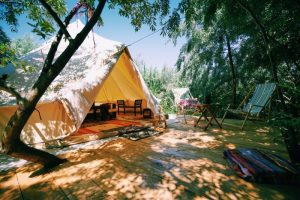
- Glamping (Glamorous Camping): Combines the experience of camping with luxurious amenities and accommodations, offering a more comfortable and upscale outdoor retreat.
- RV Camping: Involves traveling and camping in a recreational vehicle, providing the convenience of a home on wheels while still enjoying the outdoor experience.
Packing Lists and Gear Recommendations
- Essentials: Tent, sleeping bag, sleeping pad, camping stove, cookware, flashlight, first aid kit, and multi-tool.
- Clothing: Weather-appropriate layers, sturdy hiking boots, hat, sunglasses, and rain gear.
- Personal Items: Toiletries, sunscreen, insect repellent, reusable water bottle, and camping chair.
- Optional Gear: Camping hammock, portable camp shower, camping lantern, and camping cot for added comfort.
Cycling and Mountain Biking
Cycling and mountain biking are not only great ways to stay physically fit but also offer a unique opportunity for exploration and adventure. Whether you prefer leisurely rides through picturesque landscapes or adrenaline-pumping downhill trails, there are countless benefits to be reaped from these outdoor activities.
Benefits of Cycling and Mountain Biking
- Improves cardiovascular health and stamina
- Strengthens leg muscles and core stability
- Enhances mental well-being and reduces stress
- Provides a low-impact workout suitable for all ages
Scenic Cycling Routes and Mountain Biking Trails
- California’s Pacific Coast Highway – Known for its stunning ocean views and challenging terrain
- Swiss Alps – Offers breathtaking mountain vistas and well-maintained biking trails
- South Island, New Zealand – Features diverse landscapes from lush rainforests to rugged coastlines
Tips for Bike Maintenance, Safety, and Gear Selection
- Regularly clean and lubricate your bike to prevent wear and tear
- Always wear a helmet and reflective gear for visibility
- Invest in a quality bike with appropriate suspension and tires for the terrain
- Carry essential tools and spare parts for on-the-go repairs
Fishing and Angling
Embarking on a fishing and angling vacation not only offers a thrilling outdoor adventure but also provides a therapeutic escape from the hustle and bustle of daily life. The serene waters, the excitement of the catch, and the opportunity to connect with nature make it a popular choice for those seeking relaxation and recreation.
When it comes to top fishing destinations, there are plenty of options that boast abundant marine life or freshwater species. From the crystal-clear waters of the Caribbean to the rugged coastlines of Alaska, anglers have a wide array of choices to explore and test their skills.
Fishing Techniques and Conservation Practices
- Utilize various fishing techniques such as fly fishing, trolling, or casting to target specific species or adapt to different environments.
- Practice catch and release to ensure the sustainability of fish populations and contribute to conservation efforts.
- Follow local regulations and guidelines to protect the ecosystem and maintain the balance of marine life.
Top Fishing Destinations
- Florida Keys, USA: Known for its diverse marine life including tarpon, bonefish, and permit.
- Great Barrier Reef, Australia: Offers a chance to catch prized species like marlin, tuna, and barramundi.
- Amazon River, Brazil: Home to an incredible variety of freshwater fish such as peacock bass and piranha.
Sustainable Angling Practices
- Support local conservation initiatives and organizations that promote sustainable fishing practices.
- Use biodegradable fishing gear and avoid leaving behind any waste or debris that could harm the environment.
- Engage in responsible angling by respecting the natural habitats of the fish and minimizing negative impacts on the ecosystem.
Rock Climbing and Bouldering
Rock climbing and bouldering are thrilling outdoor activities that test your strength, agility, and problem-solving skills. Whether you’re scaling a towering cliff face or navigating a challenging boulder problem, these activities offer a unique way to connect with nature and push your limits.
Indoor Climbing Gyms vs. Outdoor Rock Climbing
Indoor climbing gyms provide a controlled environment for climbers to practice their skills and build strength. These facilities offer a variety of routes for climbers of all levels, making them a great place to start for beginners. On the other hand, outdoor rock climbing allows you to experience the natural beauty of rock formations while facing the elements and unpredictable challenges.
Both indoor and outdoor climbing have their own appeal, catering to different preferences and skill levels.
Safety Tips and Training Advice
- Always check your gear before climbing and ensure it is in good condition.
- Warm up properly before starting your climb to prevent injuries.
- Learn proper climbing techniques and practice falling safely.
- Take a course or hire a guide if you are new to rock climbing to learn essential skills and safety measures.
- Stay hydrated and take breaks when needed to avoid exhaustion.
Recommended Climbing Spots
- Yosemite National Park, California: Known for its iconic rock formations like El Capitan and Half Dome, Yosemite offers a range of climbing options for all skill levels.
- Red River Gorge, Kentucky: A popular destination for sport climbing with over 3,000 routes to choose from.
- Fontainebleau, France: Famous for its sandstone boulders and diverse climbing areas, Fontainebleau is a mecca for bouldering enthusiasts.
- Joshua Tree National Park, California: Featuring unique rock formations and a desert landscape, Joshua Tree offers traditional climbing routes and bouldering challenges.
Wildlife Watching and Birding

Wildlife watching and birding are popular activities for nature enthusiasts looking to connect with the natural world. Observing animals and birds in their natural habitats can be a rewarding and educational experience.
Tips for Ethical Wildlife Viewing
- Avoid feeding wild animals as it can disrupt their natural behavior and diet.
- Respect the animals’ space and avoid getting too close to avoid causing stress or harm.
- Do not disturb nesting sites or breeding areas, especially during sensitive times of the year.
- Follow designated trails and guidelines set by park authorities to minimize impact on wildlife.
Conservation Efforts
- Support conservation organizations that work to protect wildlife habitats and species.
- Participate in citizen science projects that collect data on wildlife populations and behaviors.
- Learn about endangered species and how you can contribute to their protection and conservation.
Recommended Wildlife Watching Destinations
| Destination | Highlights |
|---|---|
| Costa Rica | Diverse wildlife including sloths, monkeys, and a variety of bird species like toucans and macaws. |
| Kenya | Opportunity to witness the Great Migration of wildebeest and zebras, along with lions, elephants, and rhinos. |
| Galapagos Islands | Unique wildlife species found only in this archipelago, such as the marine iguana and giant tortoise. |
Trail Running
Trail running has gained immense popularity in recent years, attracting outdoor enthusiasts looking for a challenging yet rewarding experience in nature. The combination of running and hiking on unpaved trails offers a unique way to explore diverse landscapes while pushing physical limits.
Trail Running Terrains
- Forest Trails: Running through dense forests provides a serene and peaceful environment, with the shade of trees offering relief from the sun.
- Mountain Trails: As one of the most challenging terrains, mountain trails offer steep ascents, technical descents, and breathtaking views at higher altitudes.
- Coastal Trails: Running along coastal paths combines the beauty of the ocean with rugged terrain, making for a refreshing and invigorating experience.
Training Tips
- Gradual Progression: Start with shorter distances and gradually increase the mileage to prevent injury and build endurance.
- Strength Training: Incorporate strength exercises to improve stability and prevent muscle imbalances that can lead to injuries on uneven terrain.
- Trail-Specific Gear: Invest in trail running shoes with good grip, lightweight apparel, hydration packs, and navigation tools for safety and comfort.
Trail Running Events
- UTMB (Ultra-Trail du Mont-Blanc): Known as one of the toughest trail races in the world, UTMB takes runners through the stunning Alps.
- Western States Endurance Run: Covering 100 miles in the Sierra Nevada mountains, this iconic race challenges even the most experienced trail runners.
- Trail World Championships: Bringing together elite trail runners from around the globe, this event showcases the diversity and competitiveness of the sport.
Adventure Sports
Adventure sports offer a thrilling experience for adrenaline junkies looking to push their limits and explore new challenges. From skydiving to bungee jumping, these activities provide an adrenaline rush like no other.
Extreme Sports
- Rock Climbing: Scaling vertical cliffs and boulders requires strength, skill, and mental focus. Safety harnesses and ropes are essential for this high-risk activity.
- White Water Rafting: Navigating turbulent river rapids in a raft requires teamwork and quick reflexes. Helmets and life jackets are crucial for safety.
- Skydiving: Jumping out of a plane and free-falling through the sky before deploying a parachute is an exhilarating experience for thrill-seekers.
Risk Management and Safety
Adventure sports come with inherent risks, and it’s essential to prioritize safety at all times. Proper equipment, training, and supervision can help mitigate potential dangers. Following safety guidelines and regulations is crucial to minimize accidents and injuries.
Personal Stories
“I remember my first skydiving experience like it was yesterday. The rush of adrenaline as I jumped out of the plane was indescribable. It’s a feeling I’ll never forget.” – Sarah
“Rock climbing taught me the importance of focus and determination. Overcoming my fear of heights while reaching the mountain’s peak was a truly empowering moment.” – Alex
Wrap-Up
From serene rivers to breathtaking coastlines, the world of kayaking and canoeing beckons with unparalleled beauty and excitement, promising unforgettable memories for all who dare to explore.
FAQ Insights
Which destination is best for beginners in kayaking and canoeing?
For beginners, destinations like calm lakes or slow-moving rivers are ideal to hone your skills before venturing into more challenging waters.
Are there guided tours available at these top kayaking and canoeing spots?
Yes, many of these destinations offer guided tours led by experienced instructors to ensure a safe and enjoyable experience on the water.
Do I need to bring my own equipment for kayaking and canoeing at these destinations?
While some places provide rental equipment, it’s recommended to bring your own gear for comfort and familiarity, especially if you have specific preferences.